

Are You Suffering From Wrongful Termination in Los Angeles?
Losing your job can be an upsetting and traumatic experience. What is even more upsetting is when you are wrongfully terminated. Employers have a right to make personnel changes for business purposes. However, they do not have the right to wrongfully terminate an employee for inappropriate or illegal reasons.
Speak to an experienced Los Angeles employment lawyer after mistreatment by your employer. He or she will accurately assess the validity of your case.
At Yadegar, Minoofar & Soleymani LLP (YMS), our employment law firm will personally review the information surrounding your termination. Call a wrongful termination lawyer in Los Angeles for a free case evaluation.
awards & accolades
Table of Contents
- Why Choose Our Los Angeles Wrongful Termination Lawyers?
- What is Wrongful Termination?
- Grounds for Wrongful Termination Lawsuits in California
- Steps to Take After Being Wrongfully Terminated
- How to Prove Wrongful Termination in California
- What is Retaliatory Termination in California?
- What if You Were Terminated Due to Discrimination?
- Los Angeles Wrongful Termination FAQs
- Los Angeles Courthouses Handling Employment Law Cases
- Hire Our Los Angeles Wrongful Termination Lawyers to Represent You
Why Choose Our Los Angeles Wrongful Termination Lawyers?
Entrust your legal matters with our Los Angeles employment law attorneys:
- Decades of Combined Legal Experience: With a collective experience of over 85 years, each attorney in our ranks brings forth decades of specialized practice in employment and business litigation and a deep understanding of California’s employment laws, assuring you that your case is in the hands of seasoned professionals.
- A Unified Team Working for Your Benefit: At YMS, we foster success through a collaborative team approach. Our clients benefit from our cohesive spirit, ensuring a comprehensive examination of every detail and a strategy that covers all aspects. Trust in our combined effort to present the most compelling case on your behalf.
- Battle-Tested Trial Advocates: Preparation and courtroom experience are crucial in legal disputes, and our attorneys are well-versed in courtroom proceedings. While we aim for favorable settlements outside of court, our litigators are always prepared to advocate tenaciously for your interests before a judge.
- Expertise with a Personalized Touch: Our unique background merges big-firm resources with a personalized client-attorney relationship. Having refined their skills in some of the largest law firms in the city, our wrongful termination attorneys offer top-tier expertise coupled with an intimate approach to your legal needs.
Meet Our Wrongful Termination Attorneys in Los Angeles
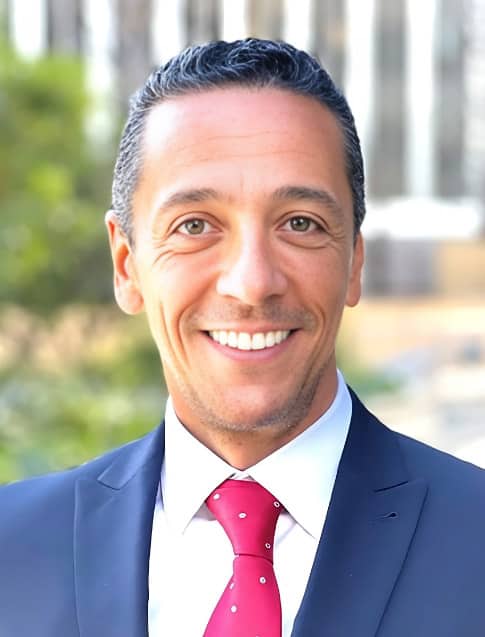


Meet the experienced wrongful termination lawyersserving Los Angeles County at Yadegar, Minoofar, & Soleymani LLP. Navid Yadegar has represented corporate and individual clients in all aspects of employment-related matters such as sexual harassment, employment discrimination, workplace retaliation and wrongful termination.
Pedram Minoofar counsels clients and litigates numerous other types of disputes including, corporate, partnership, and limited liability company dissolutions, and other commercial disputes. Navid Soleymani handles business litigation and employment litigation for individual and corporate clients in a wide range of industries, from small businesses to large publicly traded corporations.
What is Wrongful Termination?
Wrongful termination refers to the illegal firing or dismissal of an employee by an employer. It occurs when an employee is let go from their job for reasons that violate the employee’s legal rights or are not in accordance with their employment contract. For example:
If an employee believes they have been wrongfully terminated, they may have the right to take legal action against their former employer for remedies such as compensation, reinstatement, or other benefits.
Our experienced Los Angeles wrongful termination lawyers will walk you through the legal process and work tirelessly to get you the compensation you deserve.
If you feel like you’ve been forced to quit due to a hostile work environment in Los Angeles, our employment attorneys offer a free consultation.
Client Testimonials

Grounds for Wrongful Termination Lawsuits in California
Below are the most common legal grounds for wrongful termination claims in California.
Discrimination
California law strictly prohibits employers from terminating employees based on protected characteristics. When an employer fires a worker because of who they are rather than how they perform, the termination may qualify as unlawful discrimination under the Fair Employment and Housing Act (FEHA). Protected characteristics that our Los Angeles discrimination lawyer fights for include:
-
-
- Race
- Color
- Religion
- National Origin
- Disability
- Age
- Gender
- Gender Identity
- Sexual Orientation
- Pregnancy
- Medical condition
- Genetic Information
- Marital Status
- and other legally protected traits
-
Discrimination does not need to be overt to be illegal. In many cases, employers disguise discriminatory motives behind performance-based explanations.
Wrongful termination based on discrimination often involves patterns that emerge over time, such as inconsistent discipline or sudden changes in treatment. Common indicators include:
-
-
- Termination shortly after disclosing a disability, pregnancy, or medical condition.
- Unequal enforcement of workplace policies.
- Sudden negative performance reviews that contradict prior evaluations.
- Preferential treatment of employees outside the protected class.
- Termination following complaints about discriminatory comments or conduct.
-
Employers cannot rely on stereotypes, assumptions, or bias when making termination decisions. Even at-will employment does not permit firing an employee for discriminatory reasons. In wrongful termination cases based on discrimination, wronged employees can recover lost wages, emotional distress, attorney’s fees, and punitive damages if it involves egregious behavior.

Need an employment attorney?
Call Our Wrongful Termination Lawyer in Los Angeles Today
Workplace Retaliation
Retaliation in Los Angeles occurs when an employer terminates an employee for engaging in legally protected activity. Our workplace retaliation lawyers in Los Angeles know that California law protects employees who assert their rights, report misconduct, or participate in investigations. Terminating an employee for speaking up often gives rise to a wrongful termination claim. Protected activities include:
-
-
- Reporting discrimination or harassment
- Requesting reasonable accommodations
- Taking protected medical or family leave (FMLA retaliation in LA)
- Complaining about wage violations
- Reporting safety concerns
- Refusing to participate in illegal conduct
-
Retaliation does not require proof that the underlying complaint was successful. The law protects the act of reporting itself. Retaliatory termination frequently follows a recognizable sequence. Warning signs include:
-
-
- Termination soon after filing a complaint or reporting misconduct.
- Increased scrutiny or discipline after engaging in protected activity.
- Sudden changes in job duties or expectations.
- Hostile treatment by supervisors following complaints.
- Employer statements expressing frustration with employee complaints.
-
Employers often attempt to justify retaliatory terminations by citing performance issues. However, inconsistencies in timing, documentation, or treatment of other employees can expose the true motive.
California law prohibits retaliation even when the employee ultimately leaves the company under pressure. Employees who experience retaliation may recover back pay, front pay, emotional distress damages, and punitive damages when the employer’s conduct is egregious. If you are being harassed at work for reporting your distress, call our workplace harassment lawyer in Los Angeles to discuss your legal options today.
Breach of Contract
Wrongful termination claims may arise when an employer violates the terms of an employment contract. Employment agreements can take several forms, including written contracts, oral agreements, or implied contracts created through workplace policies and employer conduct.
Even though California has at-will employment, contractual obligations can limit when and how an employer may lawfully terminate an employee.
Employment contracts often address job security, termination procedures, severance obligations, compensation structures, or the duration of employment. When an employer disregards these terms, the termination may constitute a breach of contract. Common breach-related termination scenarios include:
-
-
- Firing an employee without the notice required by contract.
- Terminating employment without the cause specified in the agreement.
- Refusing to pay promised bonuses, commissions, or severance.
- Ignoring progressive discipline policies outlined in handbooks.
- Violating oral promises made during hiring or promotion discussions.
-
Implied contracts frequently arise when employers create reasonable expectations of continued employment through consistent policies, long-term practices, or repeated assurances of job security.
Courts examine the employer’s statements, written materials, course of conduct, and the employee’s reliance on those representations when determining whether an implied contract exists.
When a termination violates contractual obligations, employees may pursue damages for lost wages, unpaid compensation, benefits, and other financial losses directly caused by the employer’s breach.
Constructive Discharge
Not every resignation qualifies as wrongful termination. A voluntary resignation occurs when an employee leaves by choice, without unlawful pressure from the employer.
Constructive discharge is different. It occurs when an employer creates or allows working conditions so intolerable that a reasonable employee feels forced to resign. These conditions must go beyond ordinary stress, dissatisfaction, or personality conflicts.
California law treats constructive discharge as a form of wrongful termination when the employer intentionally creates or allows abusive conditions.
Employees do not need to endure extreme harassment indefinitely to preserve their claims. However, the employer must know about the conditions and fail to correct them. Circumstances that may support constructive discharge claims include:
-
-
- Persistent harassment or discrimination left unaddressed.
- Retaliatory demotions or pay reductions.
- Refusal to accommodate disabilities or medical restrictions.
- Hostile supervision intended to force resignation.
- Unsafe working conditions ignored by management.
-
Timing, documentation, and employer awareness play a critical role in these cases. Employees should report issues internally when possible and preserve evidence demonstrating the employer’s failure to act. Constructive discharge claims allow employees to recover the same damages available in wrongful termination cases, including lost wages and emotional distress damages.
Violation of Public Policy
California prohibits employers from terminating employees in violation of fundamental public policy.
These claims arise when an employer fires a worker for reasons that conflict with clearly established legal principles designed to protect the public at large. Unlike discrimination claims, public policy violations center on the employer’s motive and whether the termination undermines important legal or societal interests.
Public policy wrongful termination commonly occurs when employees act to comply with the law, prevent harm, or fulfill civic duties. These cases often involve employees who prioritize legal compliance or ethical obligations over employer pressure. Common examples include:
-
-
- Refusing to participate in illegal or unethical conduct.
- Reporting safety violations, financial misconduct, or regulatory noncompliance.
- Serving on a jury or fulfilling military service obligations.
- Exercising the right to vote or participate in civic processes.
- Cooperating with government agencies or law enforcement investigations.
-
Courts carefully evaluate whether the policy at issue is clearly articulated in statutes, regulations, or constitutional provisions. They also assess whether permitting the termination would discourage employees from acting lawfully or reporting wrongdoing in the future.
When a termination threatens these public interests, California law allows affected employees to seek compensation for lost wages, emotional distress, and other damages caused by the employer’s unlawful conduct.

Were You Wrongfully Fired?
Contact Yadegar, Minoofar, & Soleymani LLP Today
Steps to Take After Being Wrongfully Terminated
If you believe you have been wrongfully terminated, here are a few important steps you can take to protect yourself and preserve your right to recover compensation for your damages:
1. Be very careful about what you say to your employer
Most employers will consult with an attorney before terminating you to discuss how to prevent you from bringing a wrongful termination claim, or how to respond if you do. Reacting in a hostile manner can not only bring about further retaliation from your employer but can ruin any wrongful termination cases from receiving compensation as well.
2. Determine if you have a claim
The next thing you should do is determine if you have actually been wrongfully terminated. If you have been working under contract, your termination must comply with the terms of the employment contract. Similarly, if you are a union member, your termination must comply with your union’s collective bargaining agreement.
If you don’t have an employment contract and are not part of a union, can you present evidence that your employer discriminated or retaliated against you? For example, can you show that:
-
-
- You were treated differently from other employees who are not of the same race, sex, religion, national origin, disability, or sexual orientation as you?
- Your performance reviews were biased?
- Comments about you were made in the workplace that were discriminatory?
- You were fired in retaliation for opposing an unlawful employment practice, filing a workers’ compensation claim, reporting being discriminated against, or asserting some other legal right in the workplace.
-
3. Gather information
Gather all the information you can about your job performance, including copies of your performance evaluations, work product, any accolades and acknowledgments of merit you have received, and anything else that can prove that you were a good employee. Your wrongful termination lawyer can use this information when building your case.
4. Contact a qualified Los Angeles Wrongful Termination Attorney
Contact an experienced California employment law attorney right away to learn what your rights are and what claims you may have. You may be entitled to recover damages, including:
-
-
- Lost wages and benefits;
- Pain and suffering; and
- Punitive damages
-
Furthermore, if your termination was based on discrimination, you will be entitled to recover attorney’s fees and any costs associated with bringing the lawsuit against your employer.
How to Prove Wrongful Termination in California
Wrongful termination can be a devastating experience, leaving employees feeling uncertain about their rights and next steps.
Proving your case often hinges on presenting strong, well-organized evidence to support your claims with the help of a wrongful termination lawyer in California.
Proving Wrongful Termination:
- Employment Records: Keep detailed records of your employment history, including performance evaluations, commendations, and other documents that demonstrate positive job performance. These can counter any claims of poor performance as a reason for termination.
- Termination Documentation: Gather all documents related to your dismissal, such as termination letters, emails, or other communications that provide reasons for your termination. These records are crucial in assessing the employer’s stated rationale.
- Witness Testimonies: If colleagues witnessed events leading to your termination, their testimonies can provide valuable insight into the circumstances. Witness statements may support your claim and help establish key facts.
- Company Policies: Review your employer’s policies and procedures to determine if the termination violated any internal rules or guidelines. Showing that the company did not follow its own procedures can strengthen your case.
- Personnel File: Request a copy of your personnel file, which may contain records relevant to your performance, disciplinary actions, or other aspects of your employment. In California, employees have the legal right to access and copy their personnel files.
- Employment Contract: If you had an employment contract, examine its terms carefully to see if the termination breached any contractual provisions. A breach of contract can form the basis of a wrongful termination claim.
- Retaliation Evidence: If your termination occurred after engaging in legally protected activities, such as whistleblowing or reporting workplace violations, collect any evidence supporting your claim of retaliation.
- Consult an Employment Attorney: An experienced Los Angeles wrongful termination lawyer can evaluate the strengths of your case, guide you through the legal process, and help gather and present evidence effectively. Legal counsel is invaluable in navigating complex employment laws and building a strong claim.
If you believe you’ve been wrongfully terminated and want to file a wrongful termination lawsuit in California, contact our Los Angeles termination attorneys today.
What is Retaliatory Termination in California?
Similarly, potential protections under whistleblower laws can include reporting a superior, reporting sexual harassment in Los Angeles, reporting illegal conduct, and reporting unsafe working conditions. In addition, employees cannot be terminated simply because they have filed a workers’ compensation claim against their employer.
You should file for lost wages and punitive damages after a retaliatory firing.
What If You Were Terminated Due to Discrimination?
While retaliatory discrimination is illegal, termination as the result of discrimination is also illegal. The law protects certain classes from discrimination.
When companies fire employees because they are members of a protected class is a discriminatory termination. Protected classes include religion, race, ethnicity, gender, and national origin.
Employers also cannot terminate employees based on pregnancy, disability, or age. Retain the services of an experienced attorney after termination due to discrimination. These cases are complex. Any evidence of the true reason for your termination will erode over time.
If you act quickly, you can hold your employer responsible for wrongful termination with the help of a proven Los Angeles disability discrimination attorney or wrongful termination attorney in Los Angeles.
Los Angeles Wrongful Termination FAQs
How Long Do I Have to File a Wrongful Termination Claim in California?
In California, the statute of limitations for wrongful termination claims depends on the specific circumstances of the termination, ranging between two and three years from the termination date itself.
- Breach of Contract: If your termination violates an employment contract, you have two years to file a wrongful termination claim.
- Violation of Public Policy: If your termination stems from protected actions, like reporting discrimination or harassment, you also have two years to file a claim.
- California Fair Employment and Housing Act (FEHA): If your termination relates to factors like race, religion, disability, or other protected categories, you have three years to file a claim under FEHA.
- California Worker Adjustment and Retraining Notification Act (WARN Act): If you were part of a mass layoff or plant closure, you have three years to file a claim under the WARN Act.
- Whistleblowing Protections: If your termination is tied to whistleblowing on illegal or unethical practices, you have three years to file a claim.
Importantly, the statute of limitations starts running on your termination date, not the date you discover the wrongful termination. Therefore, prompt action is essential if you suspect wrongful job termination. If you miss the statute of limitations, you might still file a wrongful termination lawsuit if you can prove that fraud, mistake, or other equitable factors prevented timely filing. However, meeting this standard is challenging, so it’s advisable to file within the limitations period.
How Expensive is a Los Angeles Wrongful Termination Lawyer?
Through our contingency fee structure and complimentary initial assessment, we work to enhance the accessibility of legal representation. This entails you not having to cover upfront fees; our fee is dependent on the positive resolution of your case.
Our dedication revolves around your welfare and priorities, ensuring unwavering support during every step. Your contentment and equitable treatment are our foremost concerns when building your wrongful termination case.
What Types of Compensation Can I Recover?
The compensation you can recover in a wrongful termination claim in California varies based on your case’s unique details. You might have the potential to recover the following damages:
- Back pay: This entails the earnings you would have accrued if not terminated and allowed to continue working.
- Front pay: This represents the earnings you might have gained if reinstated, though reinstatement isn’t feasible due to termination.
- Emotional distress damages: These aim to compensate for emotional suffering following the termination.
- Punitive damages: These serve to penalize your employer for wrongful actions and discourage future terminations.
- Attorney’s fees: If successful in your claim, you might recover attorney’s fees.
Moreover, your specific case might allow for additional damages such as:
- Lost benefits: This could encompass health insurance, paid time off, or retirement benefits.
- Damages for wrongful interference with contract: If your employer disrupted your contract with another company, you might recover damages for such interference.
Los Angeles County Courthouses Handling Employment Law Cases
Los Angeles wrongful termination cases are typically filed at following local courthouses:
Stanley Mosk Courthouse
Address: 111 North Hill Street, Los Angeles, CA 90012
Phone: (213) 830-0803
Hours: Monday-Friday, 8:30 AM – 4:30 PM
Central Civil West Courthouse
Address: 600 South Commonwealth Avenue, Los Angeles, CA 90005
Phone: (213) 351-8739
Hours: Monday-Friday, 8:30 AM – 4:30 PM
United States District Court – Central District of California
Address: 350 West 1st Street, Los Angeles, CA 90012
Phone: (213) 894-1565
Hours: Monday-Friday, 9:00 AM – 4:00 PM
Edward R. Roybal Federal Building and U.S. Courthouse
Address: 255 East Temple Street, Los Angeles, CA 90012
Phone: (213) 894-1565
Clerk’s Office Hours: 10:00 AM – 4:00 PM, Monday-Friday (excluding holidays)
With 85+ years of combined legal experience, our skilled LA County wrongful termination attorneys regularly represent clients throughout LA County at these courthouses. For more information on your unique case, call us to discuss your legal options today.
Areas Our Los Angeles Wrongful Termination Attorneys Serve
We proudly serve the following neighborhoods in LA County:
Downtown Los Angeles | Hollywood | West Hollywood | Beverly Hills | Santa Monica | Venice | Malibu | Pasadena | Long Beach | Glendale | Burbank | Culver City | Westwood | Silver Lake | Echo Park | Koreatown | San Pedro | West Los Angeles | Boyle Heights | Eagle Rock | Sherman Oaks | North Hollywood | Encino | Studio City | Bel Air | Pacific Palisades | West Los Angeles | Highland Park | Manhattan Beach
Hire Our Los Angeles Wrongful Termination Lawyers to Represent You
You should speak to an attorney right away after a wrongful termination. There is a certain time frame for filing a wrongful termination claim in California. If you miss the deadline, you may be unable to file your claim in the future.
At YMS, our experienced Los Angeles wrongful termination attorneys will help you through every step of the process to ensure that your rights are protected and that you are compensated for your illegal termination and the damages it caused you. Contact us for a free consultation today at (310) 499-0140.